



 3 min read
  October 28, 2024
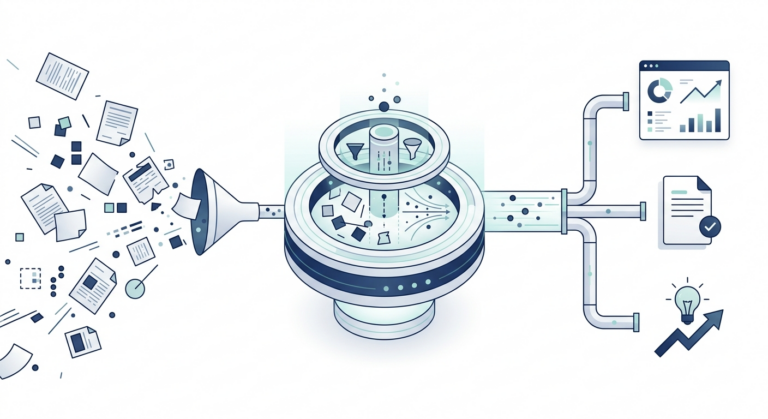
In today’s competitive digital landscape, businesses use multiple tools—CRMs, e-commerce platforms, accounting software, and more. The challenge? These systems often work in silos, creating inefficiencies. That’s where API (Application Programming Interface) integrations come in. APIs allow software systems to “talk” to each other, enabling automation, data consistency, and better collaboration.
Here’s why API integrations are game-changers for businesses in 2025.
1. Automating Repetitive Tasks
Manual data entry wastes valuable time and increases the risk of human error. APIs automate workflows—like syncing orders with inventory, generating invoices, or sending shipping notifications. This not only saves hours but also ensures accuracy across systems.
2. Streamlining Communication Between Systems
Most businesses juggle multiple platforms: CRMs, accounting software, marketing tools, and e-commerce stores. APIs connect these tools in real time, ensuring consistent data across platforms. Teams gain access to the same up-to-date information, improving collaboration and decision-making.
3. Enhancing Customer Experience
Customers expect convenience and transparency. With APIs:
- Shipping APIs allow real-time order tracking.
- Payment APIs enable multiple secure payment options.
- Support APIs integrate chat or ticketing systems for quick resolutions.
Better integrations directly translate into smoother customer journeys.
4. Centralizing Data for Better Insights
When data is scattered, decisions suffer. APIs consolidate information from different systems into one dashboard—customer interactions, sales performance, and inventory. This unified view makes it easier to identify trends, forecast demand, and seize growth opportunities.
5. Boosting Team Productivity
Switching between multiple platforms drains efficiency. APIs reduce “tool fatigue” by connecting everything in one place. Employees spend less time searching for information and more time focusing on high-value work that drives results.
6. Facilitating Scalability
As your business grows, so do your tech needs. APIs make scaling painless by allowing seamless integration of new tools—whether it’s a new CRM, marketing automation software, or customer service platform—without disrupting existing systems.
7. Enhancing Security and Compliance
APIs not only improve efficiency but also security. Reputable API providers encrypt data transfers, keeping sensitive information safe. They also help businesses maintain compliance with data regulations by automating secure record-keeping.
FAQs on API Integrations
1. What is an API integration in simple terms?
It’s a connection that allows different software systems to share data and work together automatically.
2. Do small businesses benefit from APIs?
Absolutely. APIs save time, cut costs, and reduce errors—benefits that small businesses often need the most.
3. Are API integrations secure?
Yes, most APIs use encryption and authentication protocols to ensure secure data exchange. Choosing trusted providers is key.
4. How long does it take to integrate APIs?
Simple integrations can take hours, while complex ones may take weeks. Working with experts ensures faster and smoother implementation.
5. Can APIs grow with my business?
Yes. APIs are highly scalable, making it easy to add new tools or expand workflows as your business grows.
Conclusion
API integrations are no longer a luxury—they’re a necessity for businesses aiming to stay competitive. From automating tasks and enhancing customer experiences to centralizing data and enabling scalability, APIs unlock efficiency at every level.
At SHJ International, we specialize in API integration services that help businesses streamline operations, improve security, and scale with confidence. Let us help you connect your systems for smarter growth.